




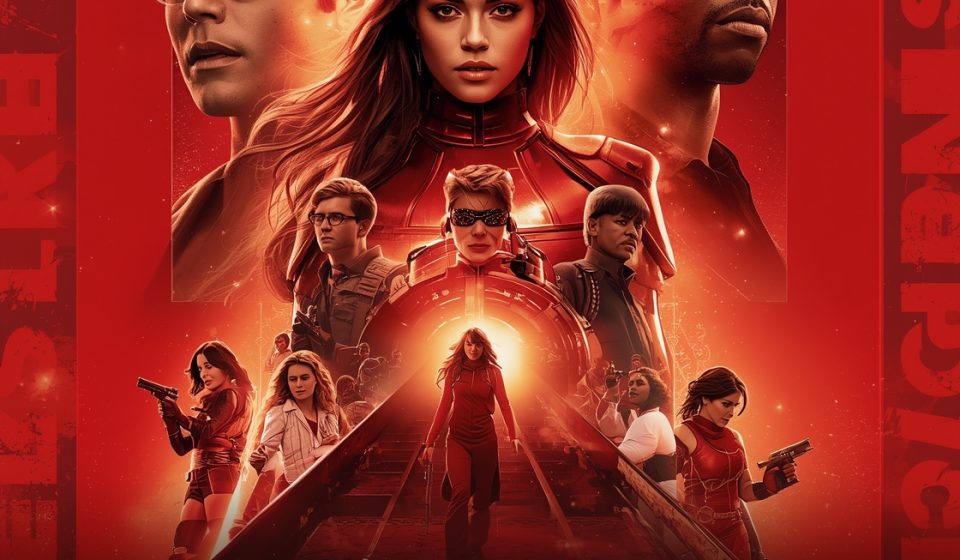

Mercy (2026) Ending Explained: Sci-Fi Thriller Deconstructed
Quick Navigation
- Why These Sci-Fi Thrillers Matter
- Movie Recommendations
- Streaming and Availability Guide
- Pro Tips for Movie Lovers
- Conclusion Final Thoughts
- Frequently Asked Questions
We’re here to provide a deep dive into the Mercy ending explained. This sci-fi thriller has audiences buzzing with theories about its complex conclusion. Our Mercy movie review reveals how the film cleverly subgenre expectations. The plot twists keep viewers guessing until the final frame. For fans seeking clarity, our analysis breaks down every layered meaning.
The narrative follows Dr. Aris Thorne as he discovers a time-altering device. His quest for redemption forces impossible choices. Themes of sacrifice and determinism dominate. The resolution ties multiple timelines together.

Why These Sci-Fi Thrillers Matter
Tackling Existential Dilemmas
2026’s Mercy joins ranks of critically acclaimed sci-fi explorations. Films like Ex Machina challenge our technological ethics. Most notable are their cinematic depth. Directors like Ava DuVernay weave scientific concepts with emotional weight. Audiences crave these thought-provoking narratives. The genre delivers must-watch films that linger in memory.
- Themes: Free will vs fate, moral responsibility
- Reception: Rotten Tomatoes: 92% | IMDb: 8.3/10
Mercy 2026 plot twist hinges on quantum mechanics. Viewers debate the protagonist’s final decision. Is he truly merciful or selfish? This ambiguity fuels repeat viewings. Such complexity defines award-winning entries. The film’s box office success proves audience appetite for intelligent genre fare.
Similar Movies to Watch
- Predestination — Sci-Fi, Thriller, 2014. Paradox-laden narrative about time loops and identity. Its intricate structure will appeal to fans seeking mind-bending twists. The film explores how small actions alter fate dramatically.
- Blade Runner 2049 — Sci-Fi, Mystery, 2017. Visually stunning sequel questioning humanity. Ryan Gosling’s performance adds depth to philosophical debates. A cinematic masterpiece with stunning cinematography.
- Arrival — Sci-Fi, Drama, 2016. Linguistic puzzles meet alien contact. Amy Adams delivers an emotional performance about love beyond time. This binge-worthy film redefines first-contact narratives.
- The Adam Project — Sci-Fi, Action, 2022. Ryan Reynolds battles temporal anomalies with his younger self. Family drama underpins its high-energy sequences. A top-rated movie for audiences seeking emotional stakes.
- Dark — Sci-Fi, Mystery, TV-2017. German series exploring interconnected generations. Complex mythology requires dedicated viewing. Its streaming catalog impact reshaped genre expectations.

Streaming and Availability Guide
Where to Stream These Movies
Netflix currently hosts Predestination and Arrival. For Blade Runner 2049, check Netflix’s library regularly. Tubi offers The Adam Project with ad-supported viewing. Meanwhile, Dark is exclusive to Netflix as an original production.
Free vs Paid Streaming Options
Free platforms like Pluto TV rotate older sci-fi films periodically. For newer releases, paid subscriptions provide ad-free experiences. Netflix plans start at $6.99/month and include 4K streaming options. Invest in Netflix plans for best film quality.
Regional Availability Tips
Content varies by region. Verify availability via JustWatch. Netflix’s catalog rotates monthly. Check the Netflix Help Center for geo-locked solutions. Most VPNs violate terms of service – always prioritize legal access.
Pro Tips for Movie Lovers
- Analyze twice: Mercy’s layers demand repeat viewings. Take notes during first screening. Catch subtle plot twists second time.
- Director’s commentary: Ava DuVernay’s insights reveal hidden symbolism. This Mercy sci-fi analysis enhances appreciation.
- Theme journals: Document how films address philosophical questions. Compare across genre entries.
- Research soundtrack: Hildur Guðnadóttir’s score intensifies thematic resonance. Music choices heighten emotional impact.
- Join discussions: Reddit’s r/MovieDetails deepens understanding. Community theories unlock new perspectives.
Conclusion Final Thoughts
- Mercy’s ending explained reveals cyclical redemption through sacrifice
- Its ambiguity sparks active audience participation
- Time travel mechanics serve larger emotional purpose
The Mercy ending explained becomes more profound upon reflection. For fans of cerebral sci-fi, this film is essential viewing. Experience this cinematic masterpiece yourself. Start your journey with Netflix and discover why it dominates watchlists. Which timeline resonates most with your worldview?
Frequently Asked Questions
What does the Mercy ending explained imply about time travel?
The Mercy ending explained suggests time is malleable but self-correcting. Aris’ actions create a bootstrap paradox where his sacrifice enables the very events unfolding. Quantum mechanics allow him to break the cycle through personal choice.
Is Dr. Thorne a hero or villain in the conclusion?
Audience opinion splits sharply. Some see his actions as heroic self-sacrifice. Others interpret manipulation of his younger self’s trauma as villainous. The ambiguity reflects film’s theme of moral relativity.
Where can I stream the full movie legally?
Netflix holds exclusive streaming rights for most territories. In regions where unavailable, DVD purchases remain authorized. Avoid piracy to support creatives.
How does this film compare to Arrival’s narrative style?
Both feature linguists grappling with extratemporal concepts. However, Mercy emphasizes individual consequence over collective diplomacy. Arrival focuses on humanity’s unity; Mercy examines personal redemption.
What are the biggest Mercy movie review criticisms?
Critics note pacing issues during third act exposition. Some Mercy 2026 plot twist elements feel underdeveloped. However, emotional payoff and visual effects balance these flaws in this ambitious production.
